• Home
  • Science
  • News
  • Space


Ingenuity near its first flight


Ingenuity helicopter is now deployed on Mars and alive after its first night on its own. Ingenuity uses power from its solar arrays to make electricity and therefore create heat to stay alive over tough martian nights. Its first flight is schelduled no earlier than April 11 with data received on Earth April 12.One thing that is very interesting on Ingenuity is that it caries piece of fabric from wright brothers first functional aircraft. When it will first fly we can say that Perseverance is technically US aircraft carrier on Mars. Something like USS Perseverance.😀


Starship SN11 flight


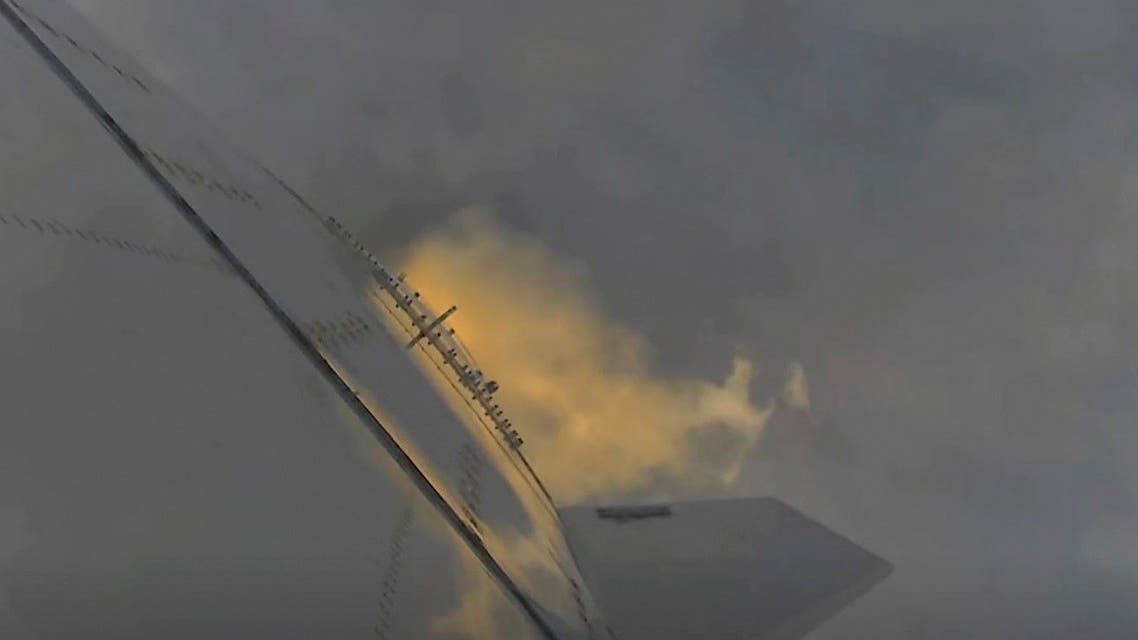
On March 30 SpaceX launched its Starship serial number 11. Spectators usually see whole show including explosions but there was some heavy fog and only livestream that was watchable was SpaceX's. During flight everything looked "norminal" but as landing burn came in, we could see as one of the Raptor engines initiates landing burn and then stream gone to froze. On Everyday astronaut's stream we could see debris falling down from the sky. We don't know what happened yet but according to Elon Musk, this isssue should be fixed with upcoming SN15,that is now being stack in high bay. You can watch full stream here.


First Ingenuity's Photo of Mars


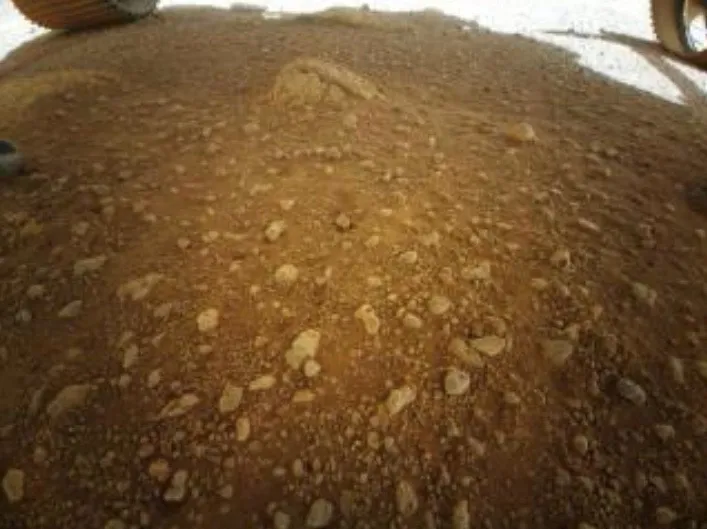
Ingenuity sends first image that it take on the Red planet back to Earth. On April 3 it snapped its first color photograph shortly after being deployed on the surface. The tableau shows "the floor of Mars' Jezero Crater and a portion of two wheels of NASA’s Perseverance Mars rover," agency officials wrote in a description on Monday (April 5), when the photo was released.


Dragon capsule for Inspiration4


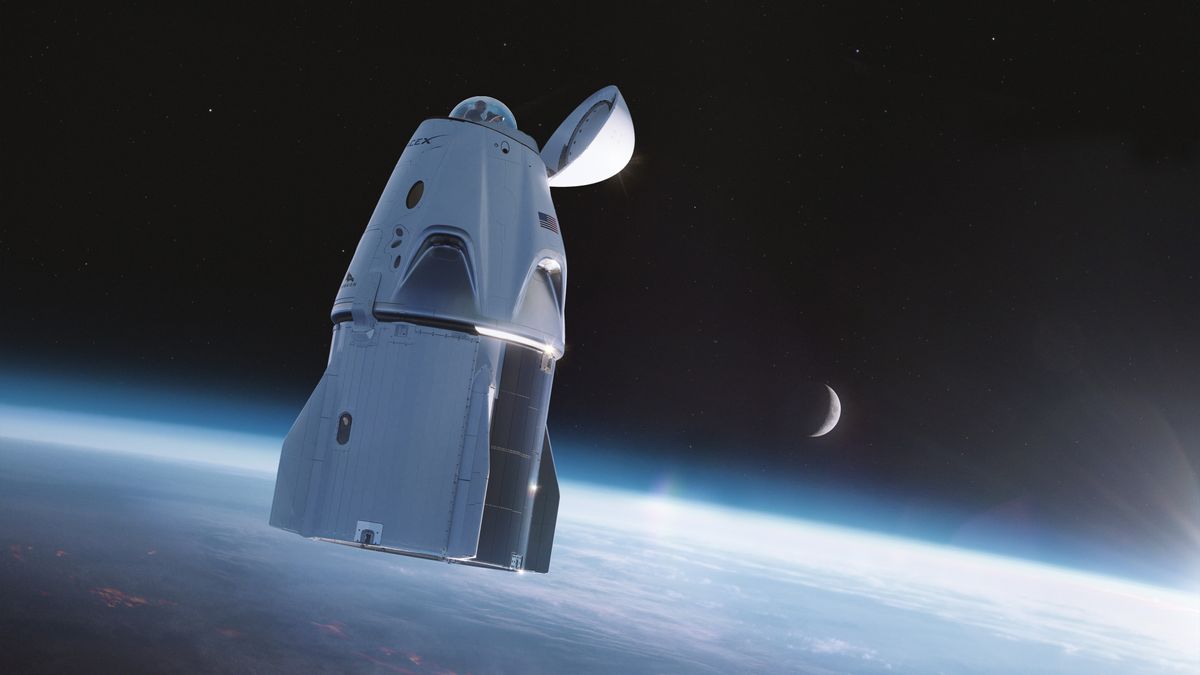
Dragon capsule for Inspiration4 mission comes with observational dome that replaces docking port. Since Inspiration4 won't be docking with ISS or any other human made object, participants will be given great view of Earth, Moon and space.


Lava tubes for future space colonists


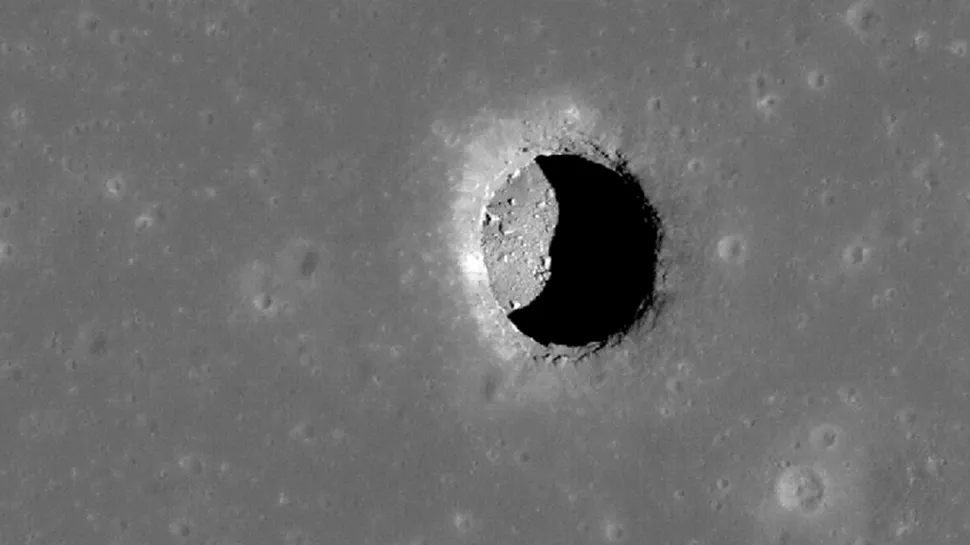
Scientist in Hawaii work in deep lava tubes that have been formed in the making of the islands. They could help us when we will set foot on the Moon once again and first steps on Mars. Astronauts will face lots of dificulties when exploring these out of Earth worlds and these tubes or caves, that are quiet common on the other celestial bodies of our solar system will help us overcome them. These tubes or caves will protect us from Sun radiation and will help us storaging resources and equipment.


  • Coded by Albert Hajek
  • Writen by Marie Drobnikova
  • Verified by Hedvika Stritecka

Resources:

  • Space.com
  • Musk's Twitter
  • JPL's Instagram