
Martian robots
There are couple of important robots on martian surface and on martian orbit. These have made exploring Mars easier for us and helped us understand it better. Here they are: Content:
PerseverancePerseverance is a biologist. Its main purpose is to find ancient life in Jezero crater on Mars. It is also very unique since it will be first mission that will return samples of dirt and hopefully life back to Earth thanks to NASA x ESA collab. Another of its super awesome equipment is Ingenuity helicopter which should be deployed on Sol 60. If all goes well it will be first flight performed outside of our home planet - Earth. It would fly around 118 years after first ever flight of mankind. 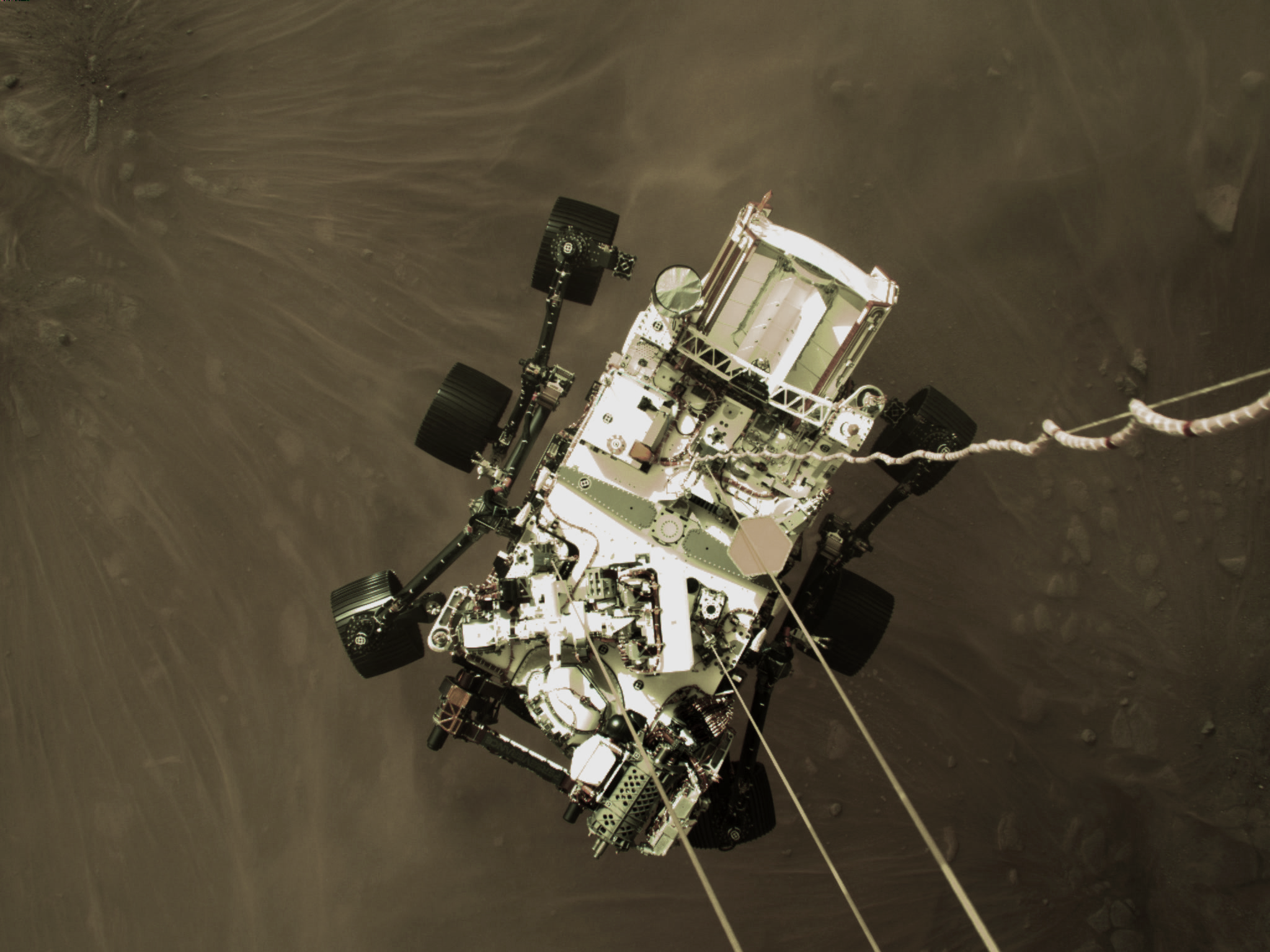
CuriosityCuriosity is also designed to be a biologist. Its main purpose was, and still is, to find signatures of ancient life. It was first ever martian rover to be powered by RTG(Radioisotope thermoelectric generator) and first to land on red planet's surface using skycrane. Curiosity found out that ancient Mars had the right chemistry to support live. Curiosity found sulfur, nitrogen, oxygen, phosphorus and carbon. These are key elements necessary for life. These chemical elements were found in the powder sample drilled from the "Sheepbed" mudstone in Yellowknife Bay. This August rover will mark its 9th year on Mars (around 4.5 martian years). 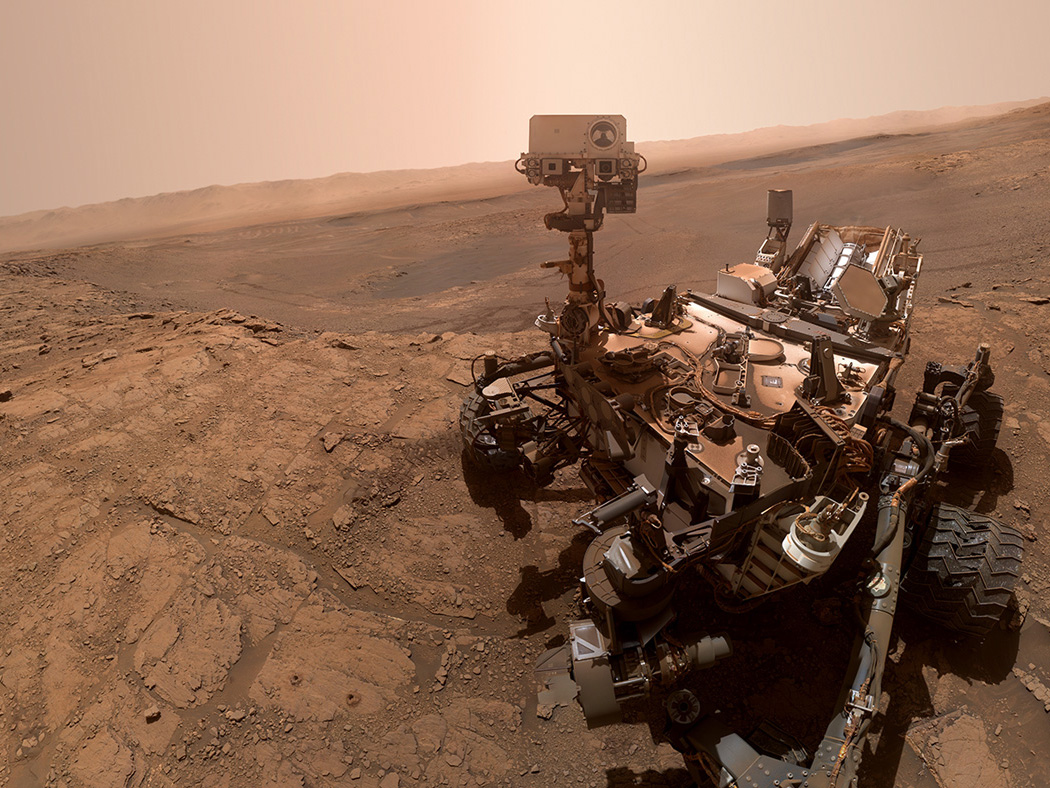
Spirit and OpportunitySpirit and Opportunity were twin Mars geologists powered by sollar arrays. Twins landed on Mars in January 2004 on the other sides of the red planet. They were first American rovers to land on Mars since 1997 Pathfinder and its rover Sojourner. Both rovers had same sets of instruments and both found evidence of enviroment where life could existed due to its wet ancient Mars conditions. Spirit "the bad sister" operated on Mars for 6 years, 2 months, and 19 days. It haven't had the best time operating its own wheels but still lasted 25 times more than expected. It died on May 25, 2011. Opportunity "the good sister" operated on Mars for whapping 15 years. That is 60 times more than its projected life span. 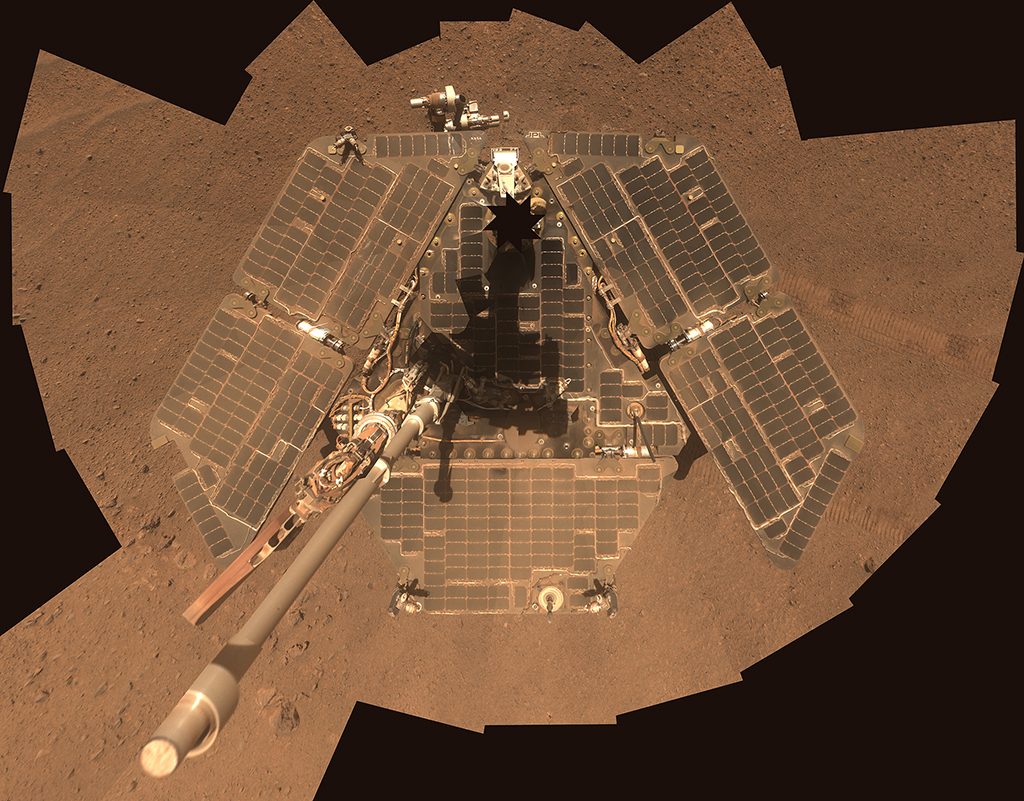
PhoenixPhoenix was designed to be a geologist. It was first lander to ever sent data from either poles of the red planet. Its main goal was to study the geological history of water, the key to unlocking the story of past climate change. Its next goal was to evaluate past or potential planetary habitability in the ice-soil boundary. Phoenix dug into the ice to find out more about possibility of water underneath it. It landed on Mars on May 25, 2008 and operated until November 2, 2008. Phoenix still exceeded its planned life span of 90 SOLs by 2 months. 
PathfinderPathfinder was geologist. It was first lander that carried rover with it - Sojourner. Sojourner was a little robot powered by sollar arrays. It had some basic scientific equipment mounted on it. Pathfinder gave us many new information on Mars. Probably most usable findings is its landing site. Because rounded pebbles and cobbles at the landing site, and other observations, suggested conglomerates that formed in running water during times of ancient Mars in which liquid water was stable. Pathfinder also gave us better mapping of Mars, dust devil observations and it has seen that in the morning there are water ice clouds in lower atmosphere. Mission was scheduled for 85 days for Pathfinder and much less for Sojourner. At the end Pathfinder survived on Martian soil incredible 9 months and 23 days. Sojourner survived whole week on its own. 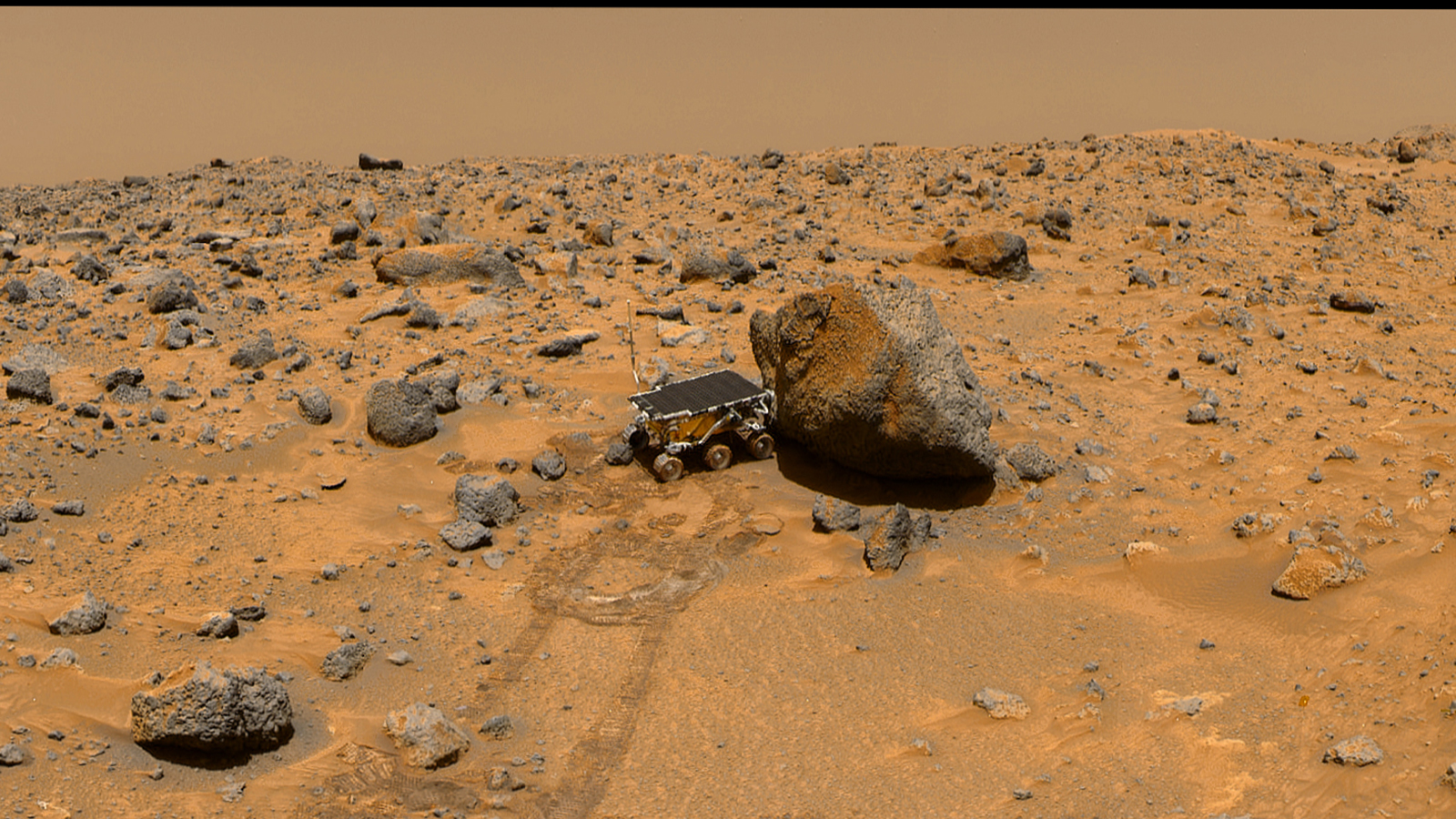
Mariner 4Mariner 4 was a scientific probe. It flew its mission to flyby Mars and returned first image of Mars. This image changed view of scientific community on Mars as a whole and was also first deep space picture. Mission duration was about expected. Mission lasted for 3 years and 23 days. 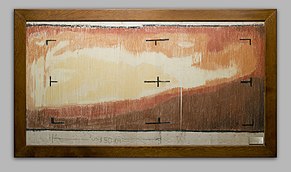
Mars Reconnaissance OrbiterMars Reconnaissance Orbiter is observational probe on Mars's orbit. It is supposed to bring back data about red planet's geology and its resources. It was first probe to find out that beneath martian poles there is a water. This discovery was very useful for us now and we will be depending on it when we will land on Mars. Mission is still in progress. It is operating on red planet's orbit since March 10, 2006, 21:24:00 UTC. 
Resources: mars.nasa.gov and Phoenix lander |